Number Identification Activities for Kindergarten

Many kindergarteners start the year knowing how to count by rote, but they don’t know what the numbers they’re reciting look like. As with learning the letters of the alphabet, learning to identify numbers can take a lot of repetition for young students. In order ot keep this practice engaging, it’s helpful to have a variety of activities in your teacher toolbox! In this post, I’m going to share some hands-on Number Identification Activities for Kindergarten.
8 Ideas for Number Identification Practice
These number identification activities are self-directed, so they’re perfect for morning work, math centers, or even early finisher activities. The flexibility means that you can incorporate additional number recognition practice throughout your daily routine, whenever it works best for you and your students.
1. Race Track Numbers
One of the first steps of teaching number identification is for students to explore the unique shape of each numeral. I like to use number poems to teach students the number names and shapes, but then it’s helpful to give them time to practice this independently.
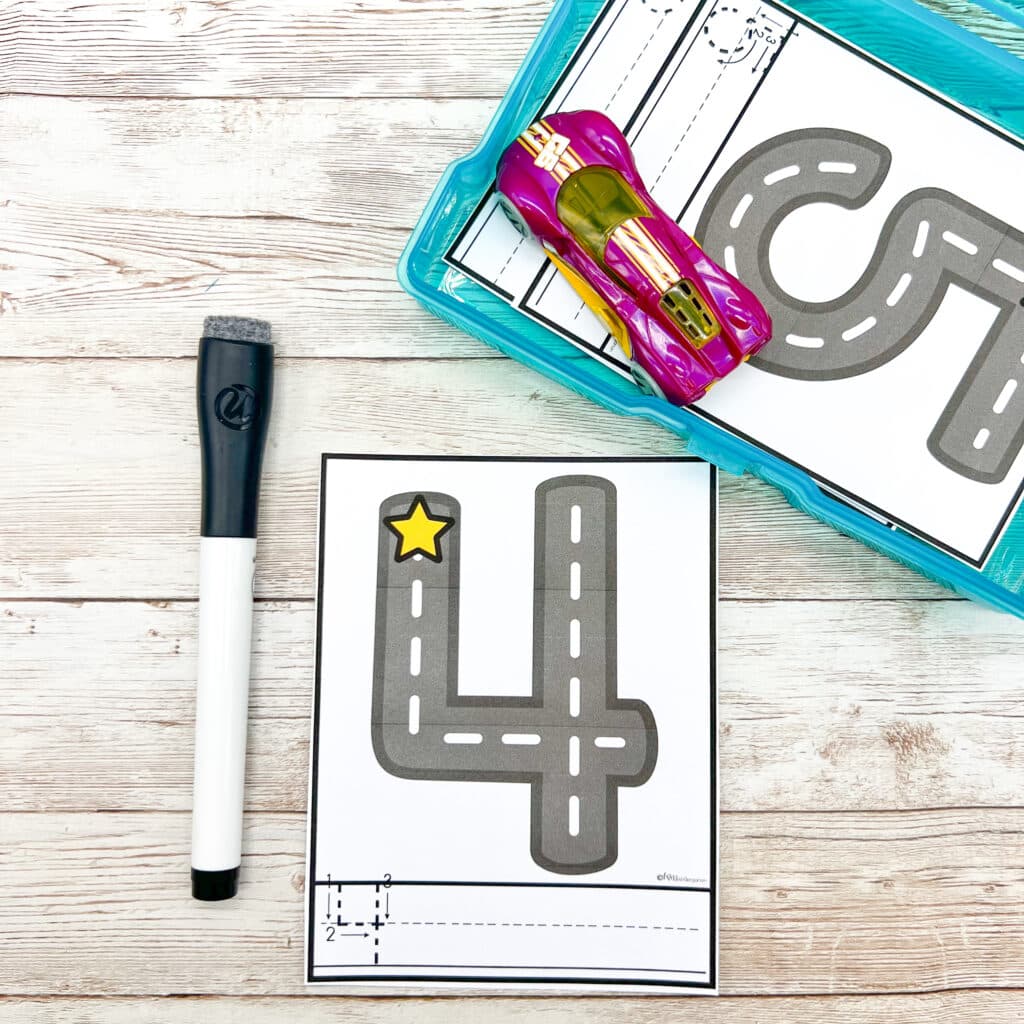
These fun race track number task cards are an engaging way for students to practice numbers. You can give them a car to drive over each road, along with a dry erase marker to practice tracing and writing the numbers. For some additional number identification practice, you could have multiple numbered cars available so students can find the matching car to use for each track.
2. Build the Number
Students can continue to explore the formation of each number by building the number using small objects. This is great fine motor practice! You can even increase the fine motor challenge by adding tweezers for students to use as they build the number.
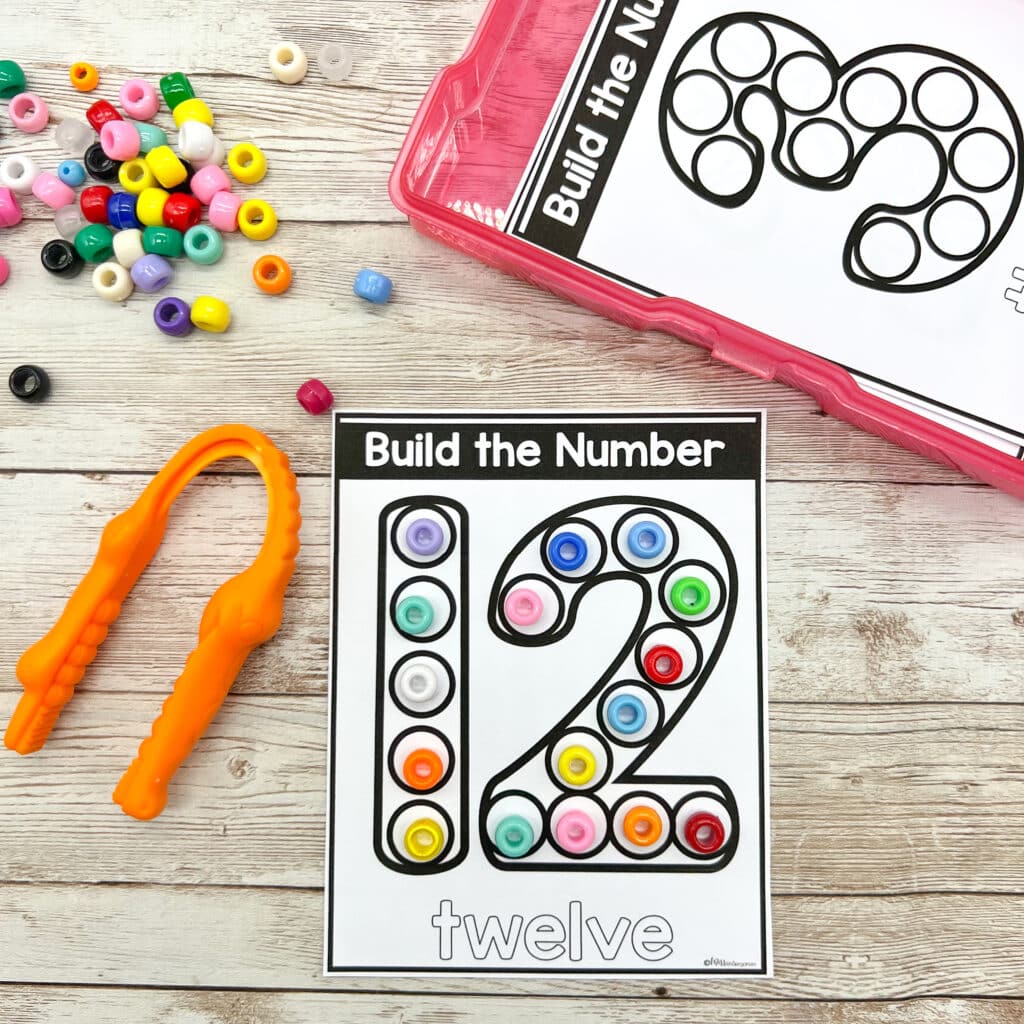
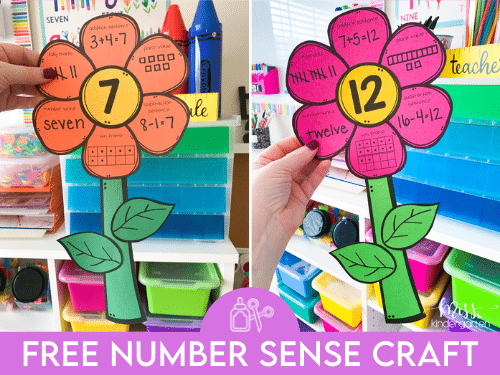
Plus, there is space for the students to practice tracing the number word. It’s helpful for students to learn that numbers can be represented with numerals and with words.
3. Number Tracing
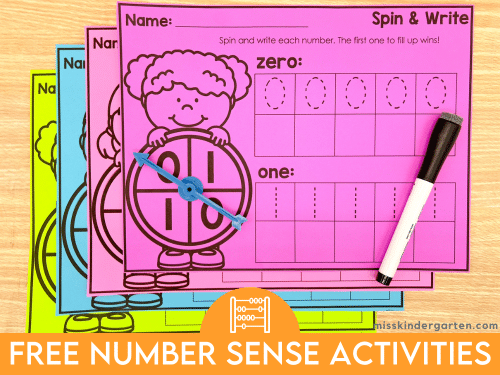
Once students have had a chance to explore the shape of each numeral, they can continue to practice number formation along with number identification. This repetition helps it stick! These number tracing cards are an easy way to add more number formation and number identification practice to your daily routine.
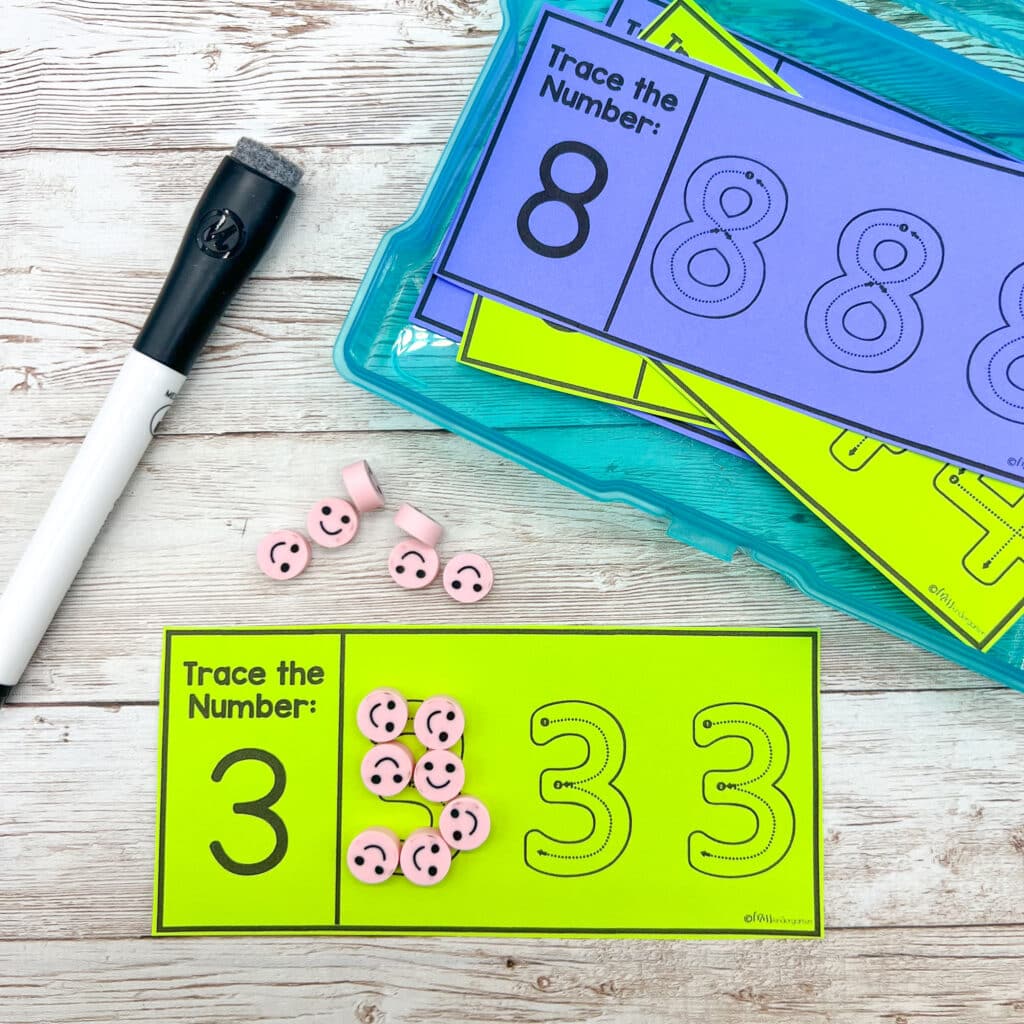
To make it feel like a game, students can place the task cards face down on the table. Then, they can choose a card and say the number before tracing the remaining numbers on the card.
4. Spin and Cover
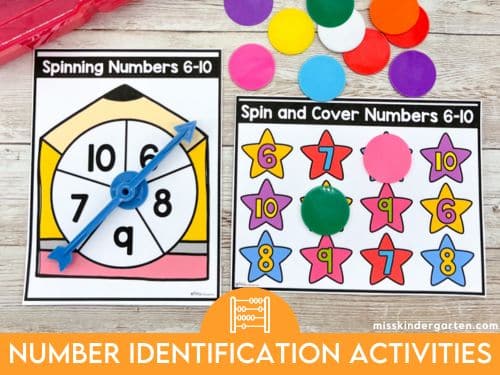
This activity is one that feels like a game for students and is an engaging way to add more number identification practice to your math centers. Students will use the spinner to choose a number. They will say the number the spinner lands on, then they will find and cover a matching number on the task card.
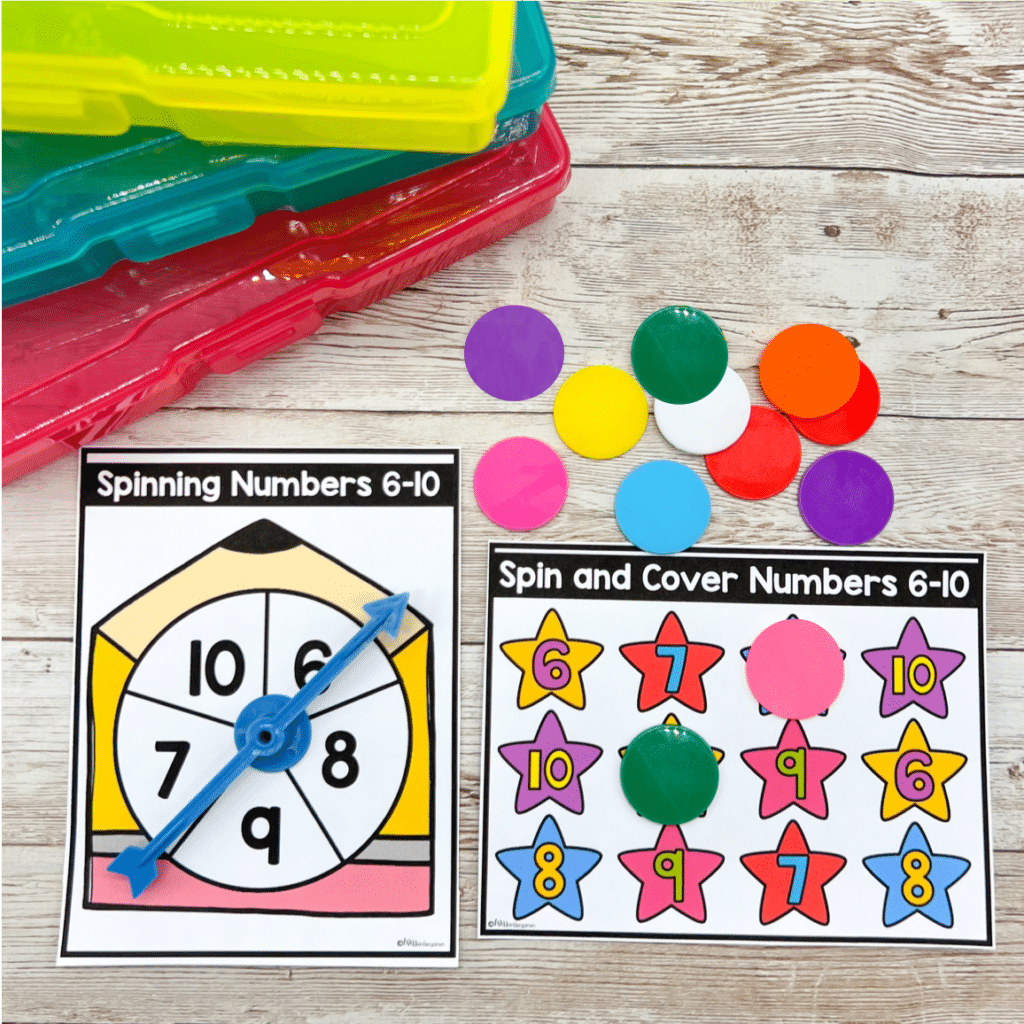
Once all of the numbers have been covered, students can clear the card and start again. This open-ended center gives students many opportunities for number identification!
5. Trace and Count
Another part of number identification is to understand that numbers represent quantities. This is why it’s helpful to combine number identification and counting practice. This trace and count activity is a great option!
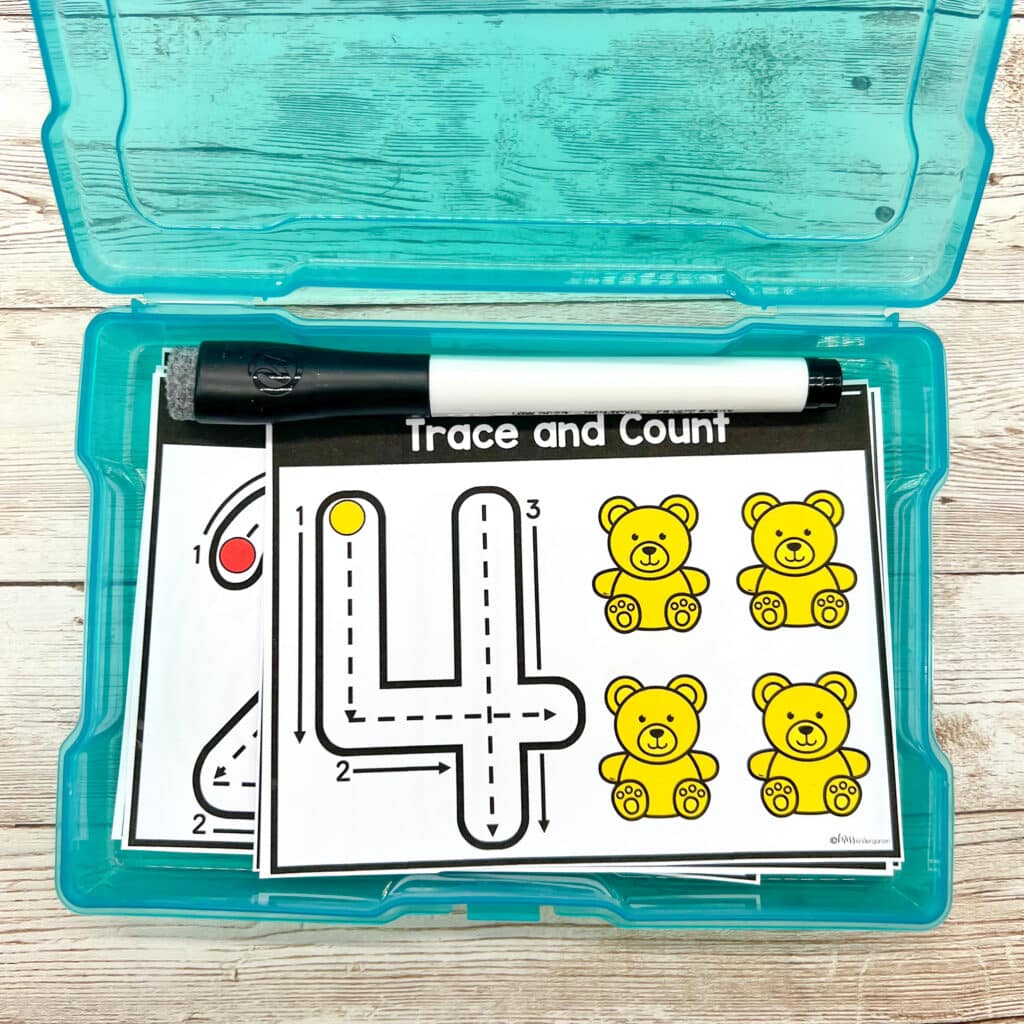
Students will practice identifying and tracing the number on the task card. They can also practice counting the teddy bears on the card. To help students with one-to-one correspondence, you could include actual teddy bear counters that students can place on the task card as they count.
6. Say and Show the Number
This Say and Show the Number center also gives students the chance to practice number identification and one-to-one correspondence. Students will identify the number in the corner of the task card and then place that number of counters on the task card.
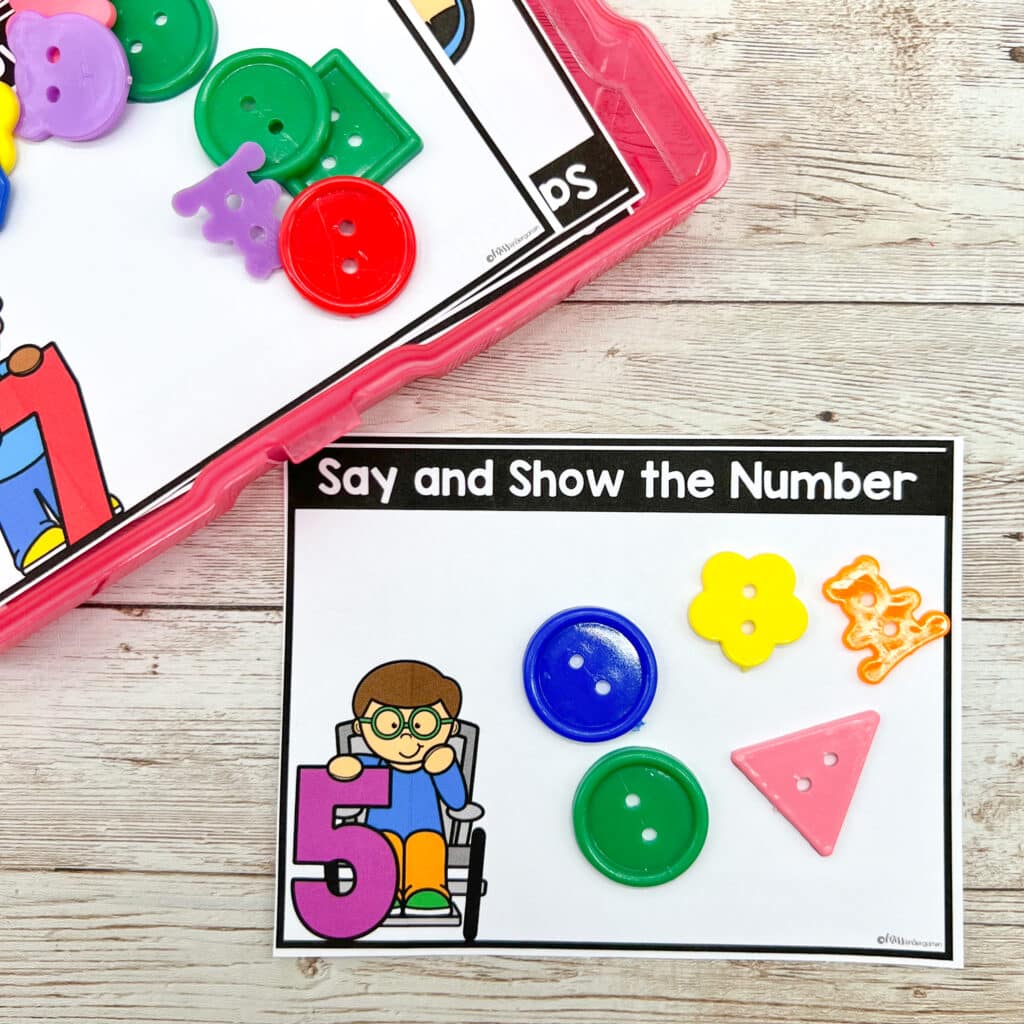
An easy way to incorporate some seasonal fun into this number recognition activity is to swap out the counters. You can use mini erasers or other small manipulatives that match the season. By adding a little bit of novelty to the center, you can keep students more engaged and motivated to get the repetition they need with this skill.
7. Ten Frame Practice
This activity is similar to the previous one, but it provides a blank ten frame for students to use as they count. This can help students begin to see that numbers are represented in different ways. This is an important part of developing number sense!
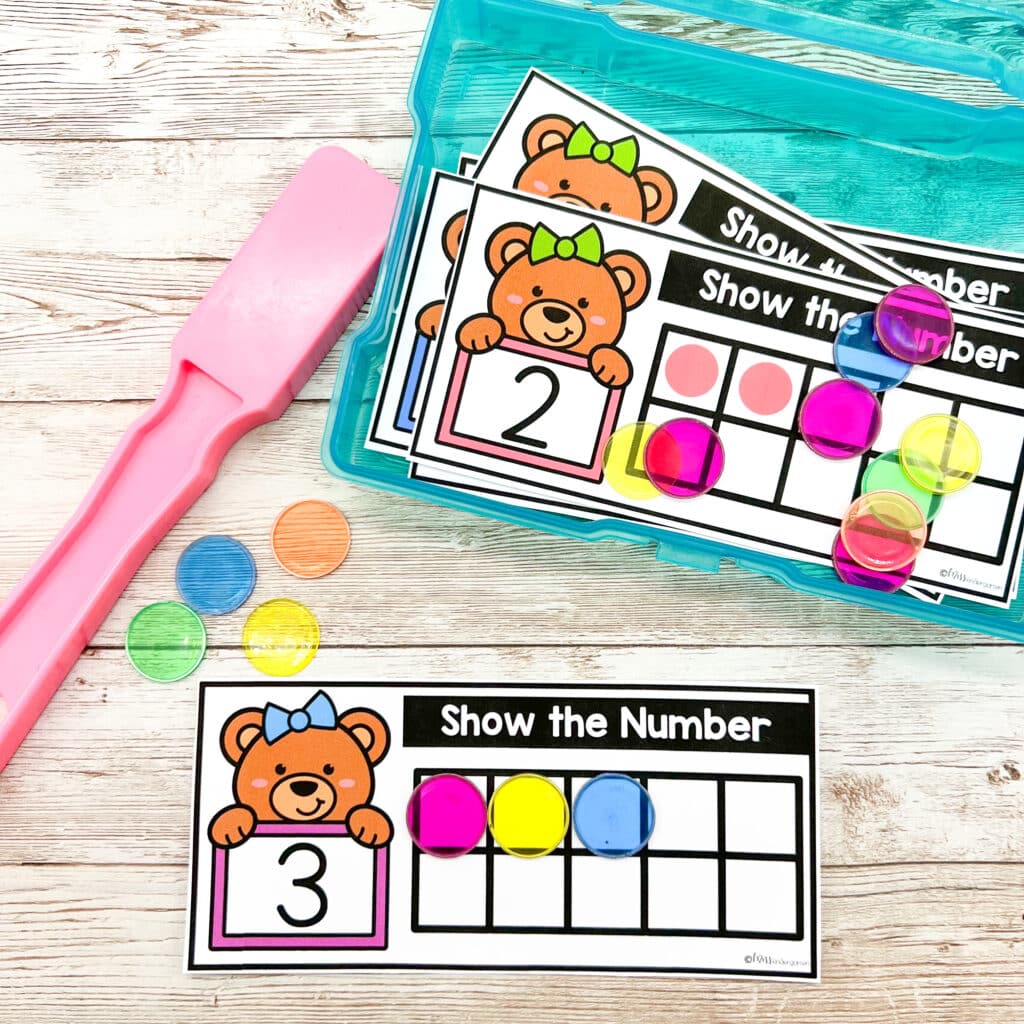
Students can choose a card, identify the number on the card, and then add the correct number of counters or manipulatives to the ten frame. This is a very helpful foundational skill for students to practice for future math instruction!
8. Count and Clip
Finally, this activity combines number identification, counting, and even fine motor practice! Students will count the number of objects on the task card, then add a clip to the number that represents that quantity.
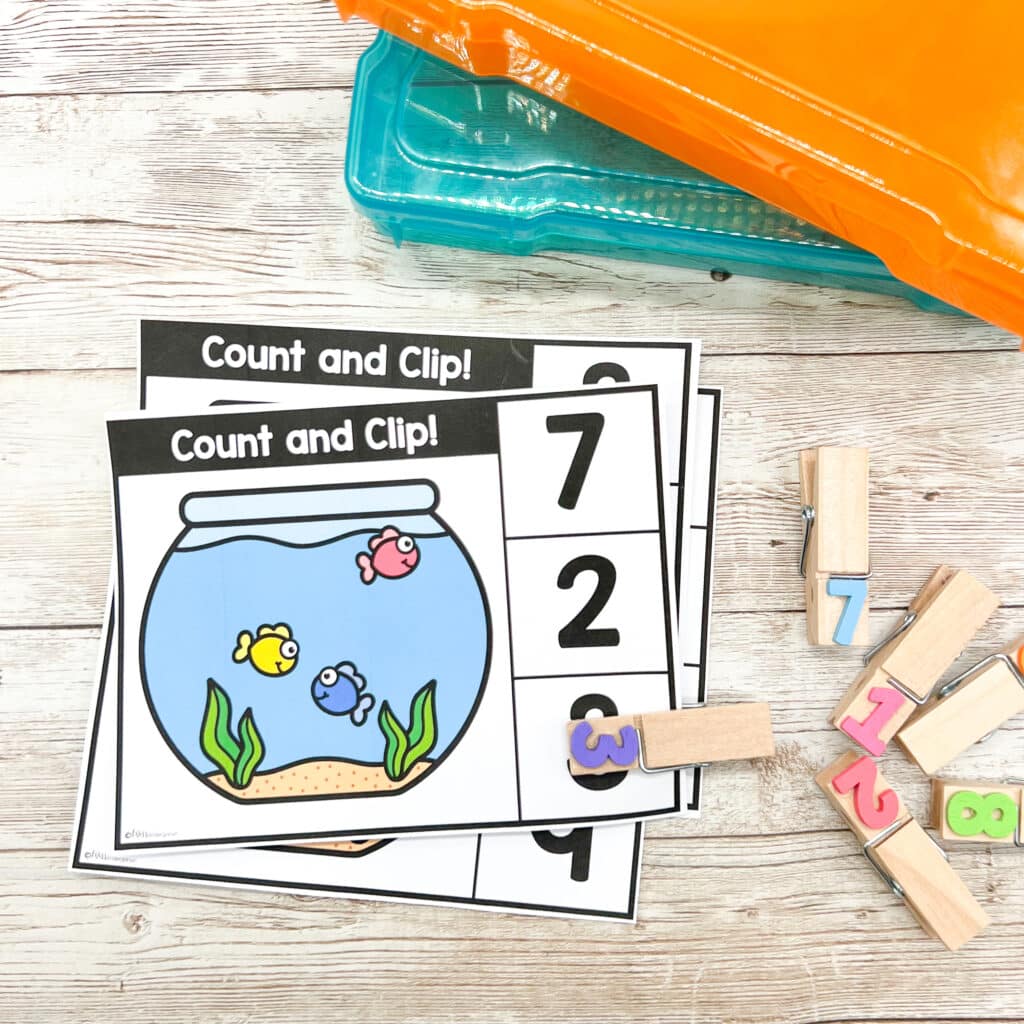
To increase student independence, you could make this a self-correcting activity for your centers stations. Just add a small sticker to the back of the card, behind the correct answer. Once students have added the clip to a number, they can turn over the card to see if their clip matches up with the sticker.
Printable Number Sense Centers
You can find all of the activities from this post in one set of printable Number Sense Centers. Your students will love practicing numbers with these engaging, hands-on activities. They are low-prep and easy to include in your classroom math stations for additional number identification practice.
If you’d like to take a closer look at everything included in this set of number sense centers, just click below to find it in my shop.
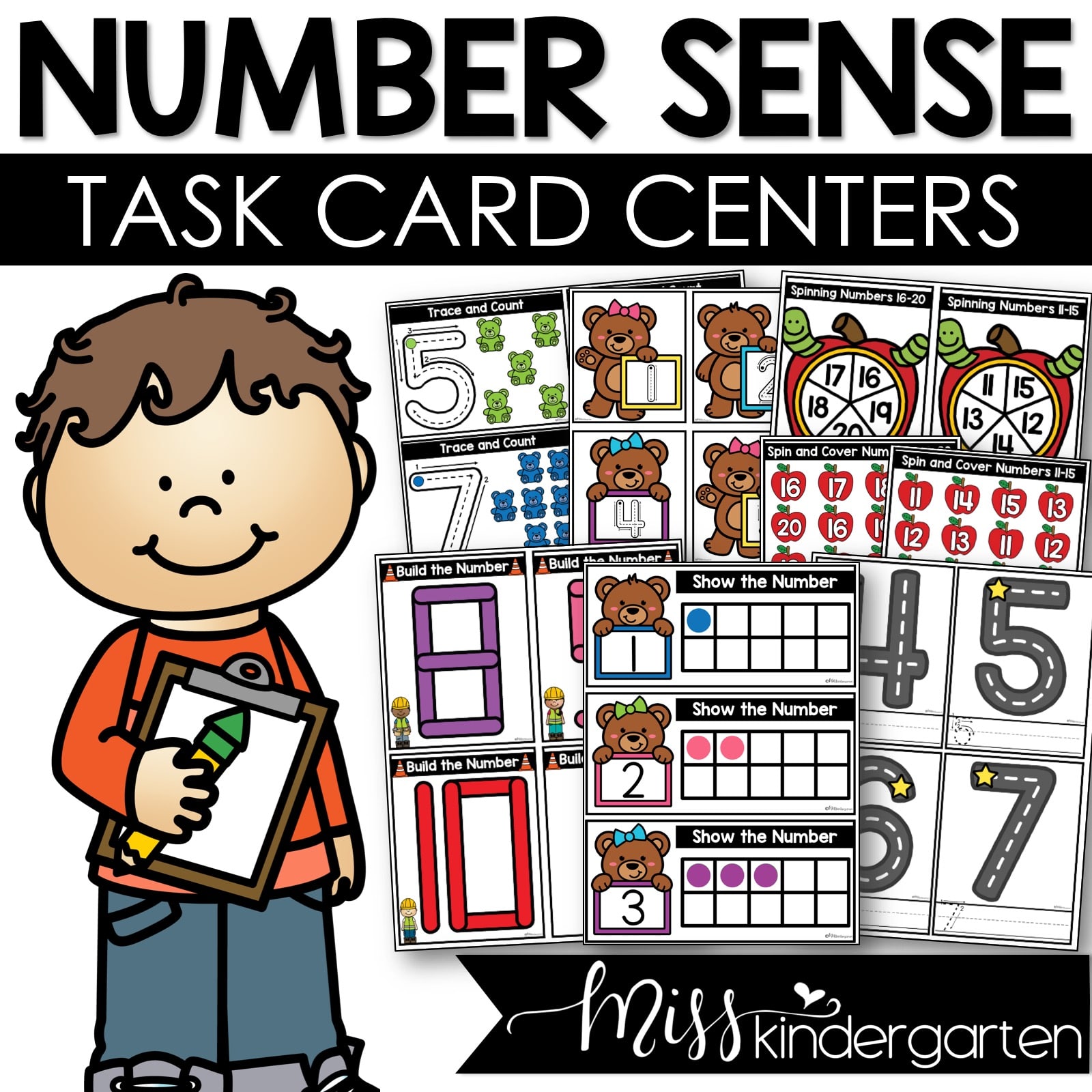
Kindergarten Math Centers Number Sense Task Cards and Activities
Save These Number Identification Activities for Kindergarten
Be sure to save this post so you can come back to it later! Just add the pin below to your favorite board of kindergarten math activities on Pinterest. You’ll be able to quickly find these engaging ideas when you’re looking for ways to add more number identification practice to your daily routine.