How to Teach Number Sense in Kindergarten

One of the most exciting things about teaching kindergarten is that we can help students build a strong foundation that will help them be successful learners for years to come! One of those vital foundational skills is number sense. In this post, I’m going to share some tips for how to teach number sense in kindergarten in a way that will stick with your students!
The Importance of Number Sense in Kindergarten
Number sense is the foundation for all future math instruction. It’s one thing for children to learn how to count by rote to 10. It’s another thing for them to learn what those numbers really mean. When students have a strong understanding of numbers, it will be easier for them to solve problems and make connections as math concepts become more complex.
How to Teach Number Sense in Kindergarten
Teaching number sense doesn’t mean adding another lesson to your math block. Instead, it’s about being intentional with the activities you’re already doing in the classroom. You can hep students build number sense by making it a natural part of your calendar time, math centers, and the rest of your daily classroom routine. Here are a few simple ways that you can add number sense practice to your math instruction.
1. Start with Real-World Connections
The first place to start when teaching number sense in kindergarten is your classroom surroundings! It’s so helpful for students to see that numbers are all around them. This allows them to see the different ways that numbers can represent quantities in their day-to-day lives.
Help students notice all of the numbers and quantities that they come across everyday! Take the opportunity to count things with your students and point out numbers around the classroom. When numbers become meaningful to students, they are more likely to understand what they mean.
2. Use Hands-On Manipulatives
Another important part of teaching number sense is to give students a chance to explore numbers with hands-on activities. When students can see and feel quantities, it will strengthen their number sense. It’s easy to add manipulatives to any math activity to create a more concrete representation of the numbers.

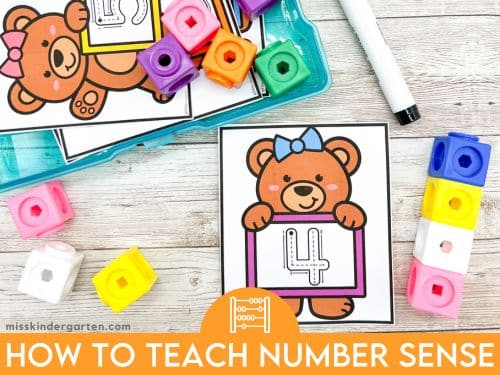
These number sense task cards can help students see quantities using teddy bear manipulatives. Students can place teddy bear counters on top of the bears on the task cards to help them model the number on the card. This will help students to make a connection between the number and the quantity.
3. Emphasize One-to-One Correspondence
While many kindergarteners start the year with the ability to count by rote, many of them haven’t yet learned how to match one spoken number to one object as they count items in a group. It’s important that number sense practice includes plenty of repetition with one-to-one correspondence.
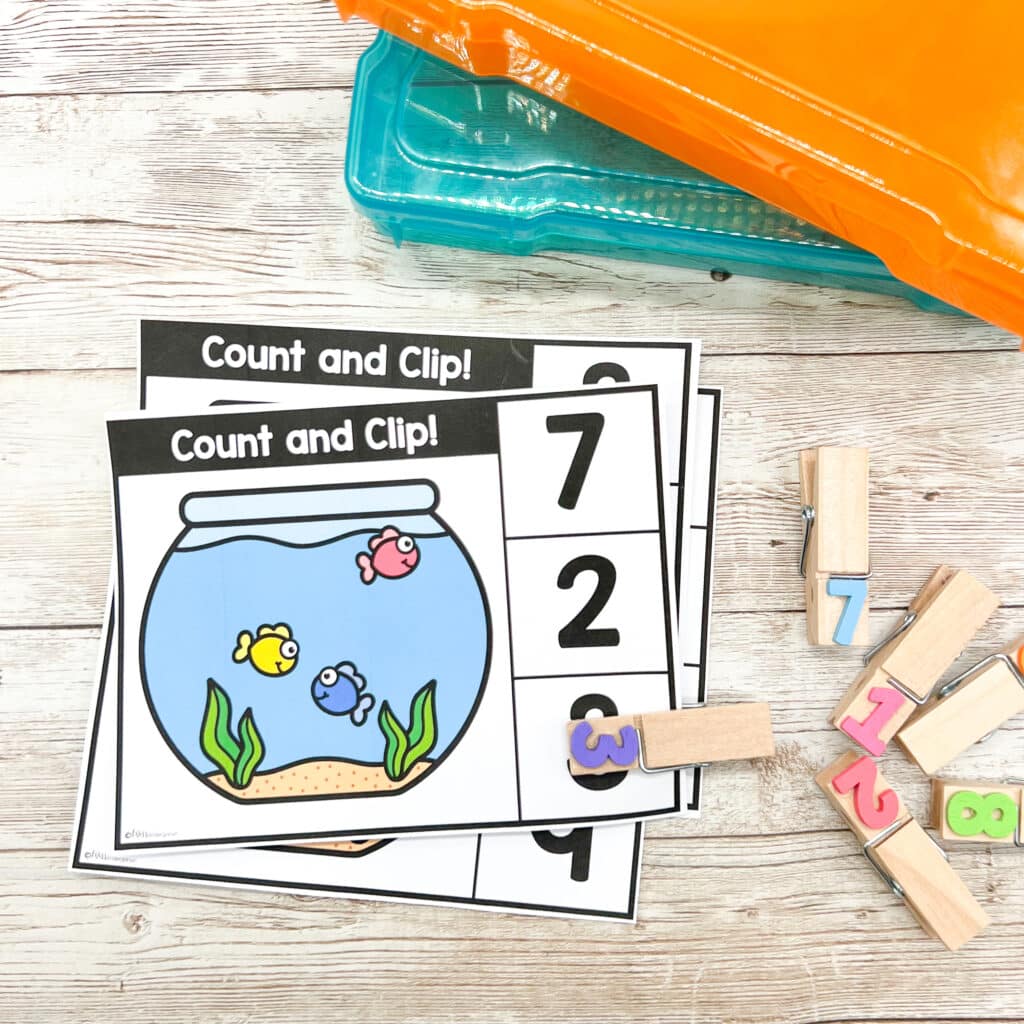
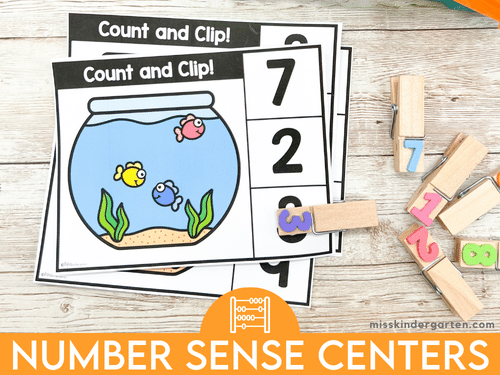
One way that you can help students practice one-to-one correspondence is with count and clip activities. Your kindergarteners can count the number of objects on the task card out loud, paying close attention to the last number they say. Then they will place a clip on the number that they said. These activities can give students the repetition they need with counting as they work their way through the task cards.
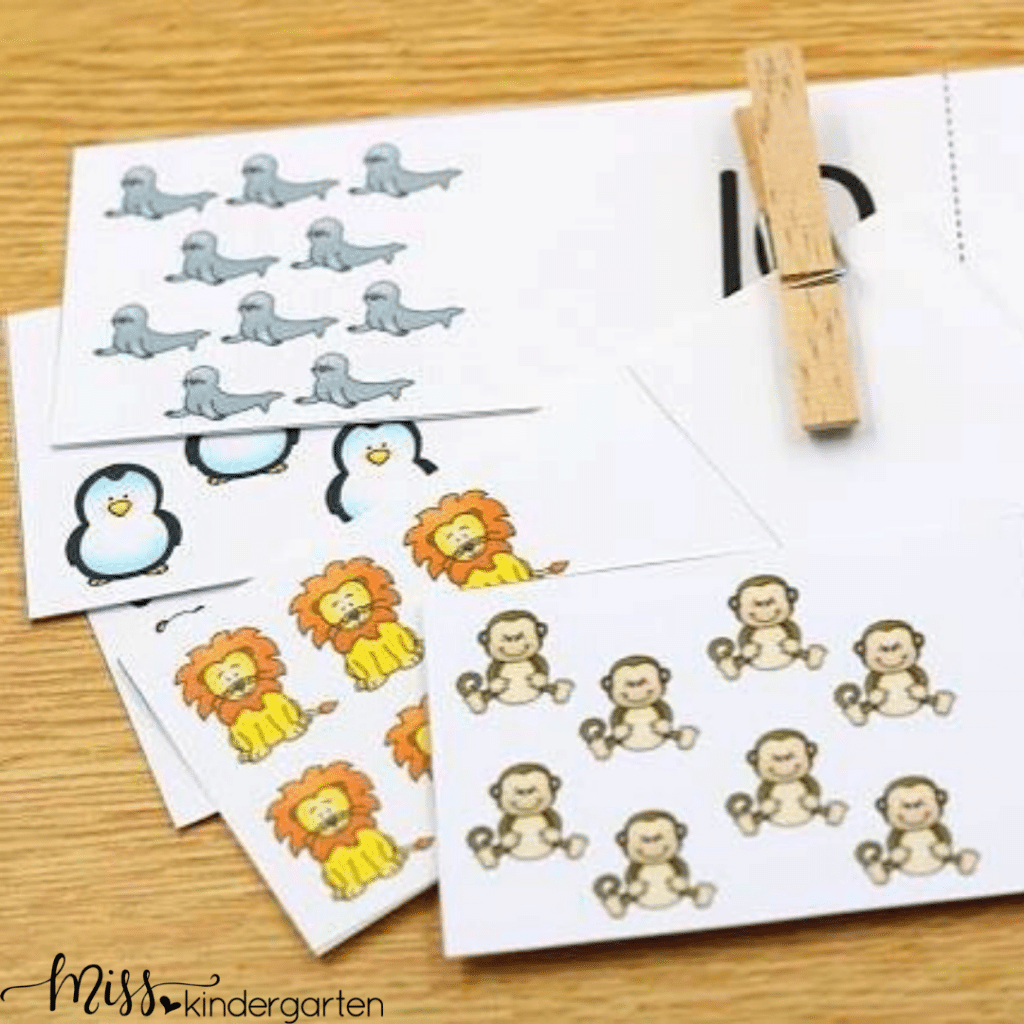
These count and reveal cards are another fun way to help students practice one-to-one correspondence. They can count the objects on the card, say the number, and then remove the clip to see if they were correct. This self-checking activity is perfect for independent math stations!
4. Talk About How Numbers Relate
Another important part of number sense is understanding how numbers relate to each other. Which number comes before? Which group has more? Can this number be made in a different way? As students explore the relationships between numbers, they will begin to think more flexibly about them. This flexible thinking will be so helpful for students when they start to move from concrete to abstract math concepts.
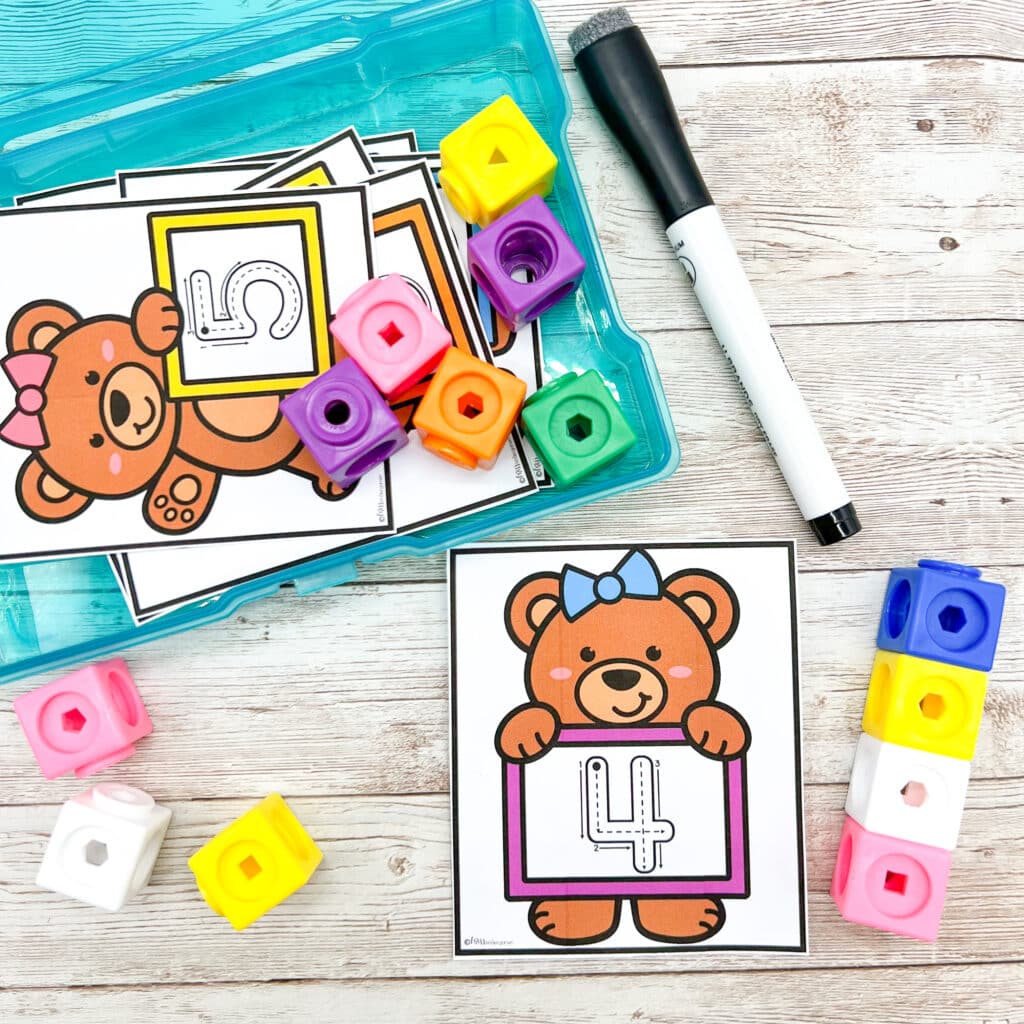
For example, this number sense center can help students see the different quantities of each number. Students can count and stack snap cubes to match the numbers on different task cards. Once they have stacked the cubes, they can compare the quantities by putting the cube stacks next to each other. This is an easy way for them to see which number represents a larger quantity.
5. Show Numbers in Many Ways
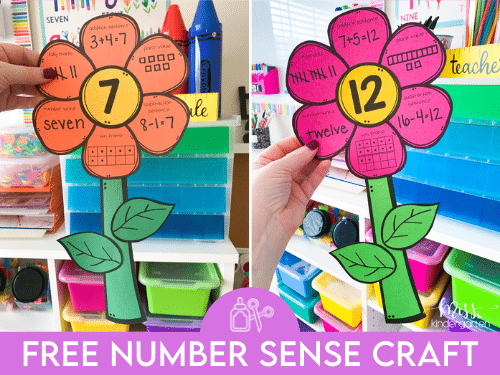
When teaching number sense in kindergarten, it’s important to show students that numbers can be represented in many different ways. From ten frames to tally marks, take the time to show students that they can show quantities using different models. You can do this naturally throughout the day, like using tally marks to take lunch count.
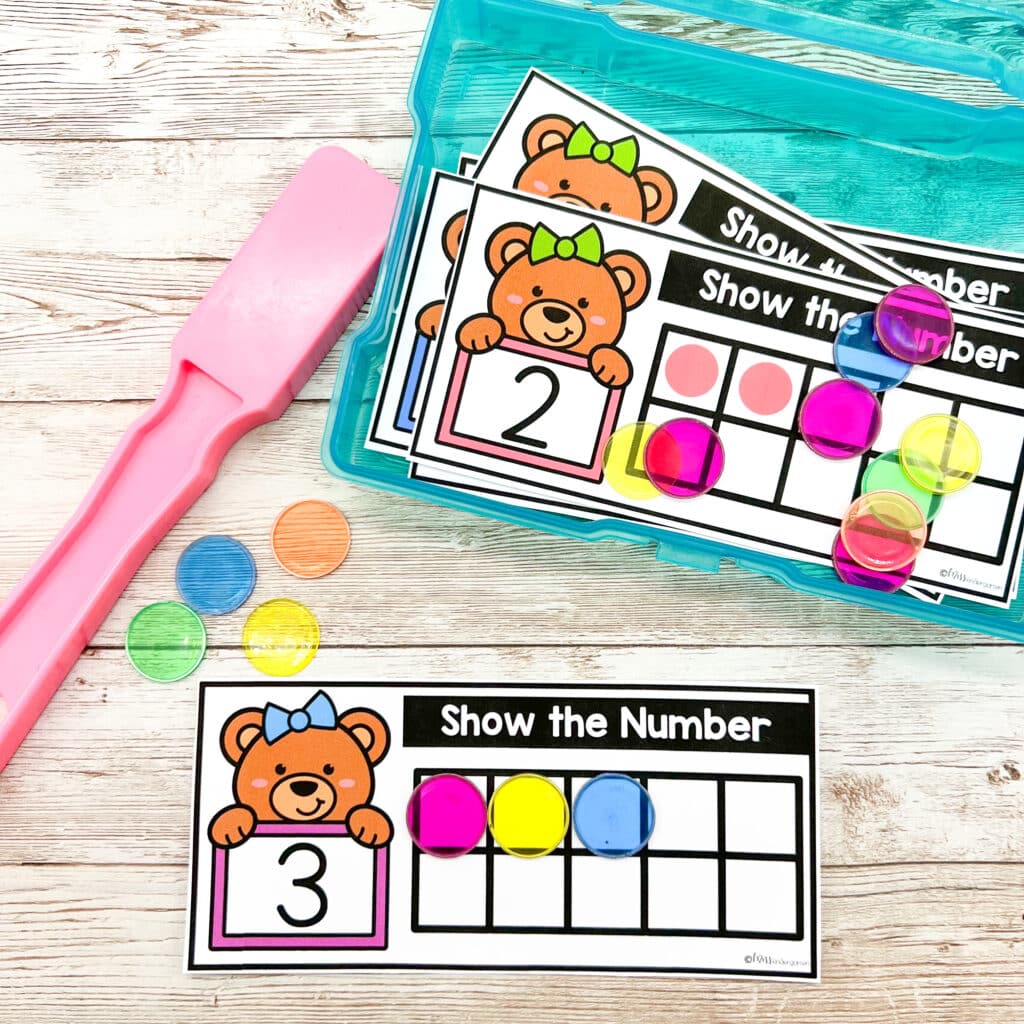
These different representations of numbers will help students become more comfortable with problem-solving strategies in the future. When students already know that a ten frame can represent a number, it will make sense for them to add to the ten frame when they are solving an addition equation. Problem-solving makes much more sense for students when they have a strong foundation of number sense.
Printable Number Sense Activities for Kindergarten
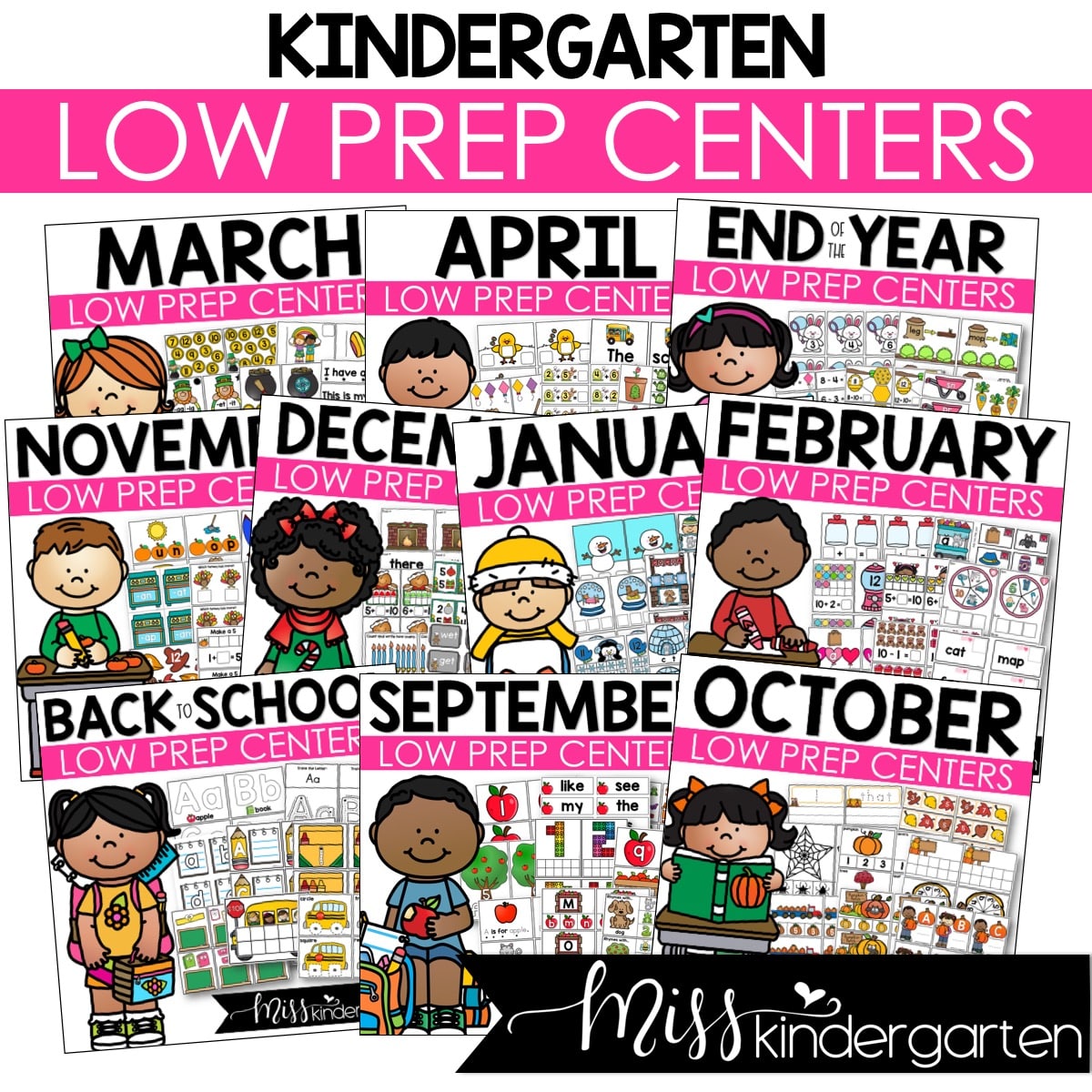
Are you looking for some engaging activities that will help your students deepen their understanding of numbers? I have put together a bundle of Number Sense Activities and Centers that you can use throughout the year to help your students strengthen their counting, number identification, and other foundational number sense skills.
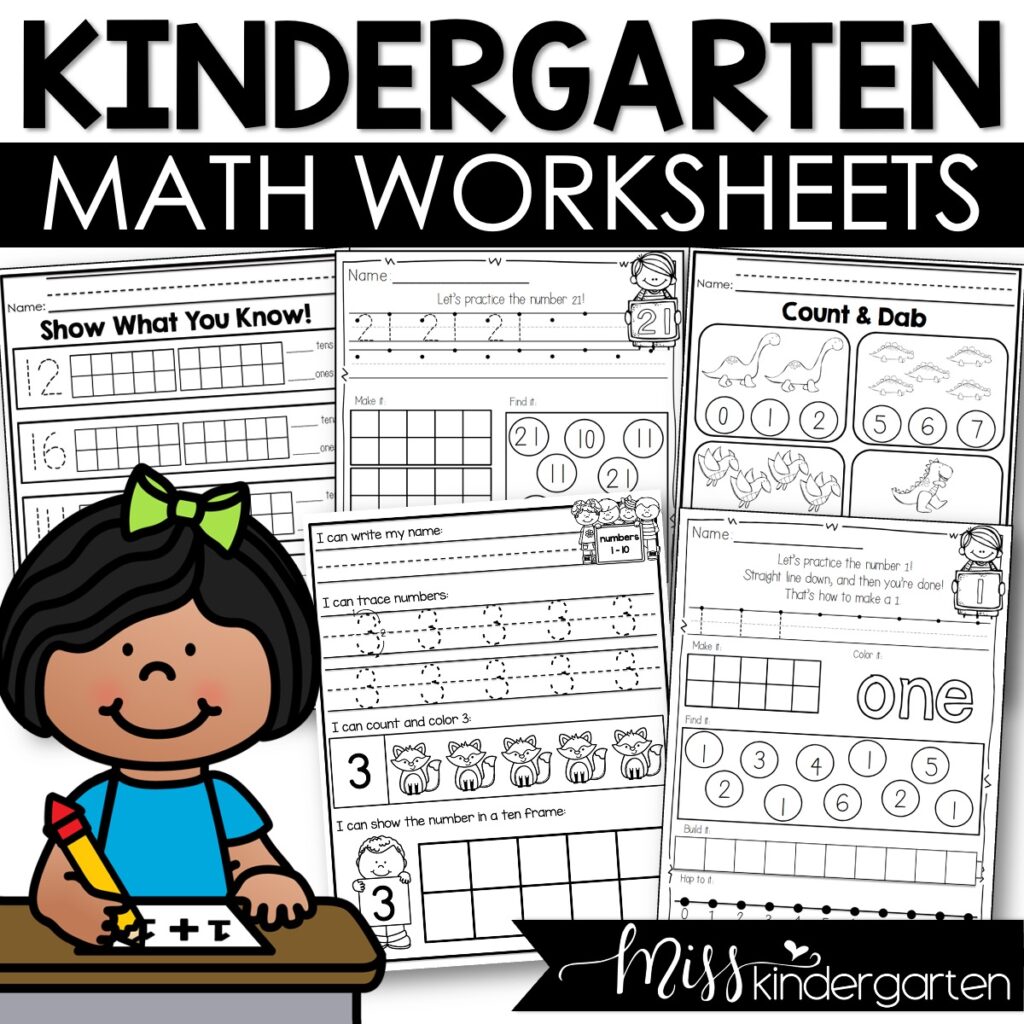
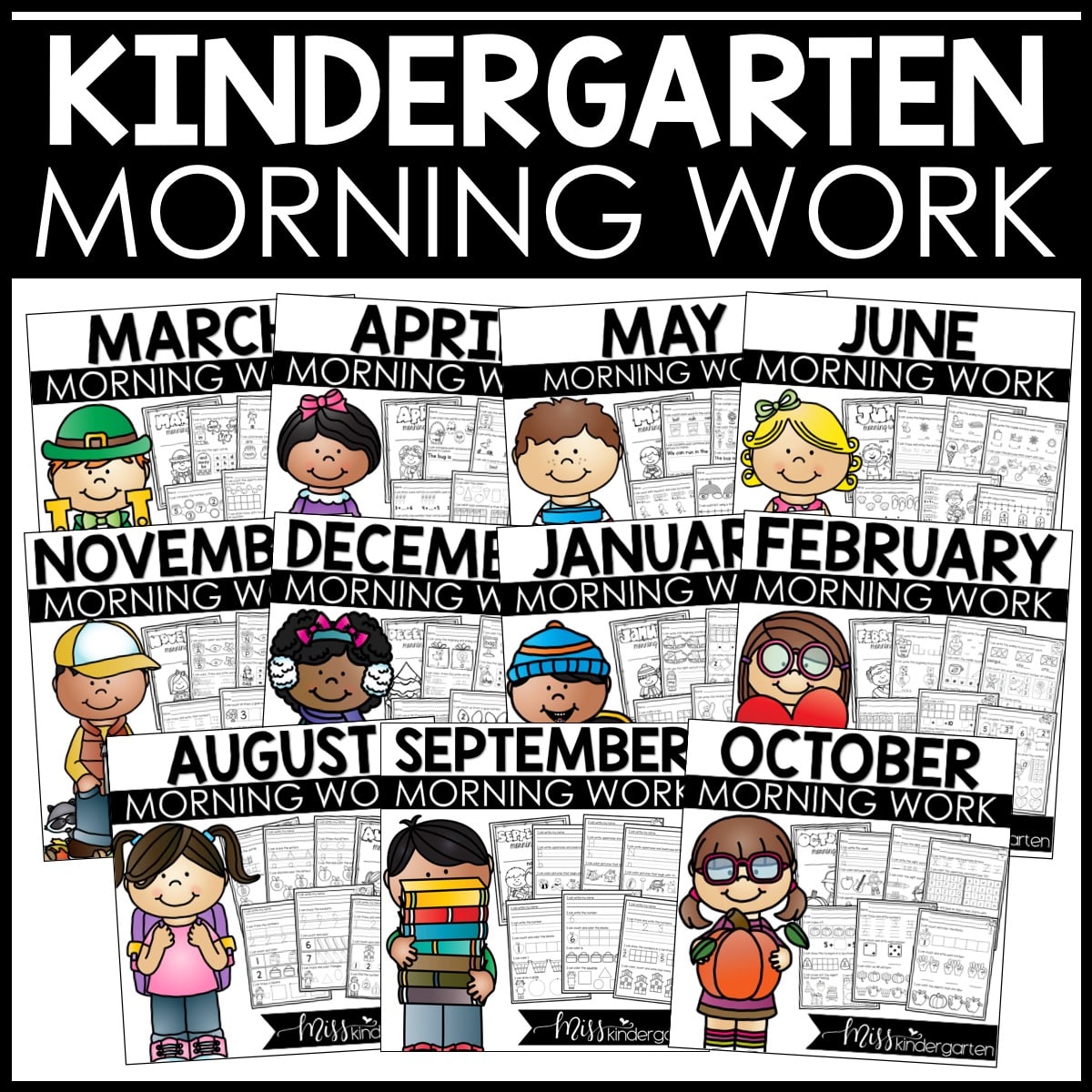
This bundle includes print-and-go worksheets, low-prep centers, digital activities, and more! These hands-on and engaging activities are perfect for math centers, small groups, or your classroom math block. If you’d like to take a closer look at everything included in this bundle, just click below to find it in my shop.
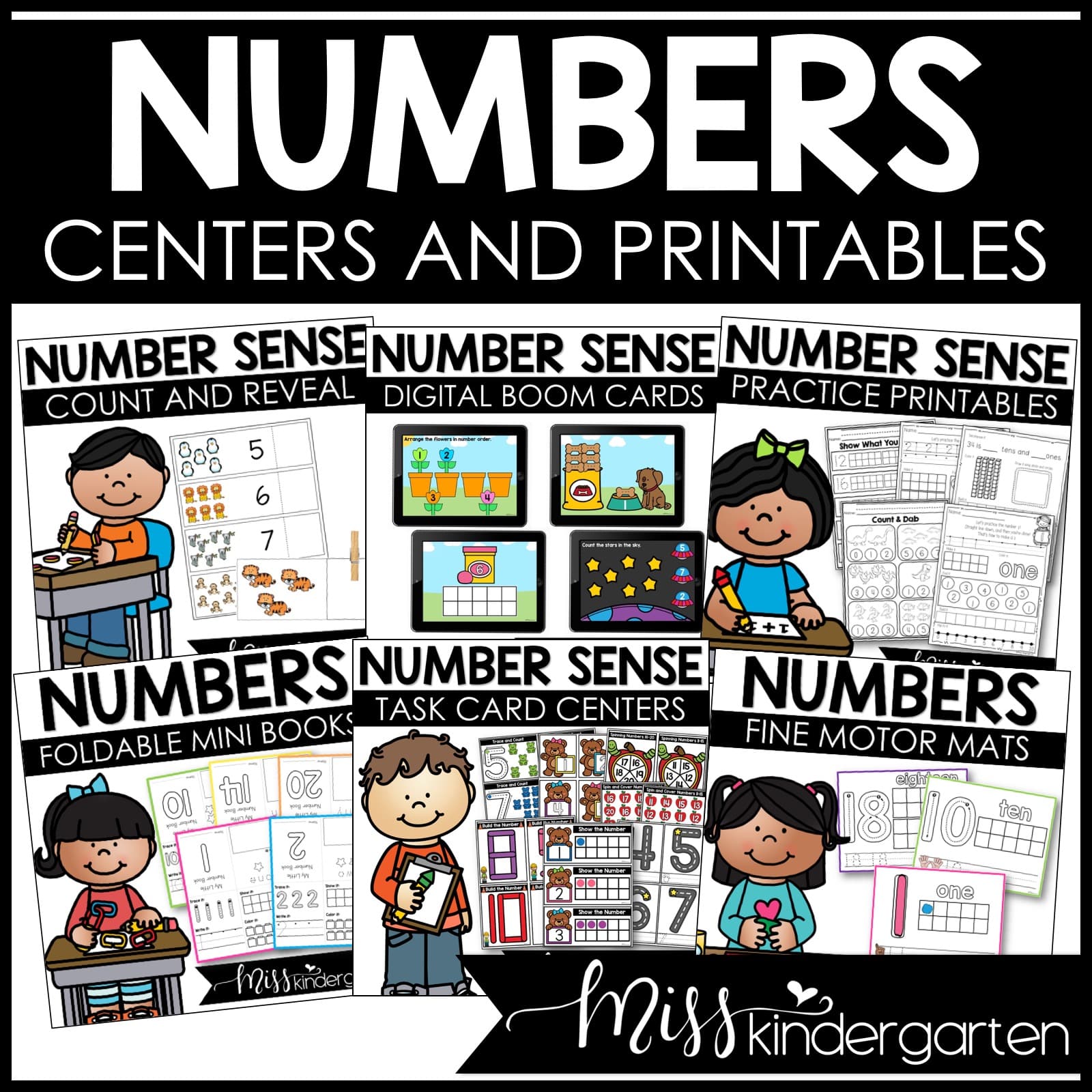
Kindergarten Math Number Sense Activities & Centers Bundle
Save These Tips for Teaching Number Sense
If you’re short on time, be sure to save this post for later! Just add the pin below to your favorite kindergarten board on Pinterest. You’ll be able to quickly find these tips and resources when you’re looking for ways to teach number sense in your kindergarten classroom.